


Rear-end collisions are among the most common types of car accidents in Tampa, often occurring on busy roadways such as I-275, the Selmon Expressway, Dale Mabry Highway, and various high-traffic intersections throughout Hillsborough County. While many people assume rear-end crashes are “minor,” the truth is that they frequently cause serious injuries—some of which may not fully develop until days or weeks later.
If you were hit from behind, you may be facing medical bills, lost wages, physical pain, and emotional distress. Understanding your rights is essential, especially when dealing with insurance companies that will try to minimize your claim. This guide explains everything you need to know about Tampa rear-end collision claims and how an experienced attorney at Slater | Grant can help you obtain the compensation you deserve.
Complete the free case evaluation form or call us now at 813-995-6444 to speak directly with an attorney.
What Causes Rear-End Collisions in Tampa?
Rear-end collisions can happen anywhere, but certain conditions in Tampa make them especially common. Factors that frequently contribute to these crashes include:
1. Distracted Driving
With phones, GPS systems, and in-car technology, distraction is a major cause of rear-end accidents. Even a split-second glance away from the road can lead to a collision.
2. Heavy Traffic and Congestion
Tampa’s growing population and tourism contribute to constant traffic congestion. Stop-and-go conditions increase the likelihood of rear-end crashes.
3. Speeding
Drivers who follow too closely or travel at unsafe speeds often cannot stop in time to avoid hitting another vehicle.
4. Impaired Driving
Alcohol or drug impairment slows reaction times dramatically, leading to devastating rear-end impacts.
5. Weather Conditions
Heavy rain, wet roads, and poor visibility increase stopping distances and reduce traction.
6. Aggressive Driving
Tailgating, road rage, and unsafe lane changes often result in high-impact rear-end crashes.
Determining the cause of your collision helps establish liability and strengthens your claim.
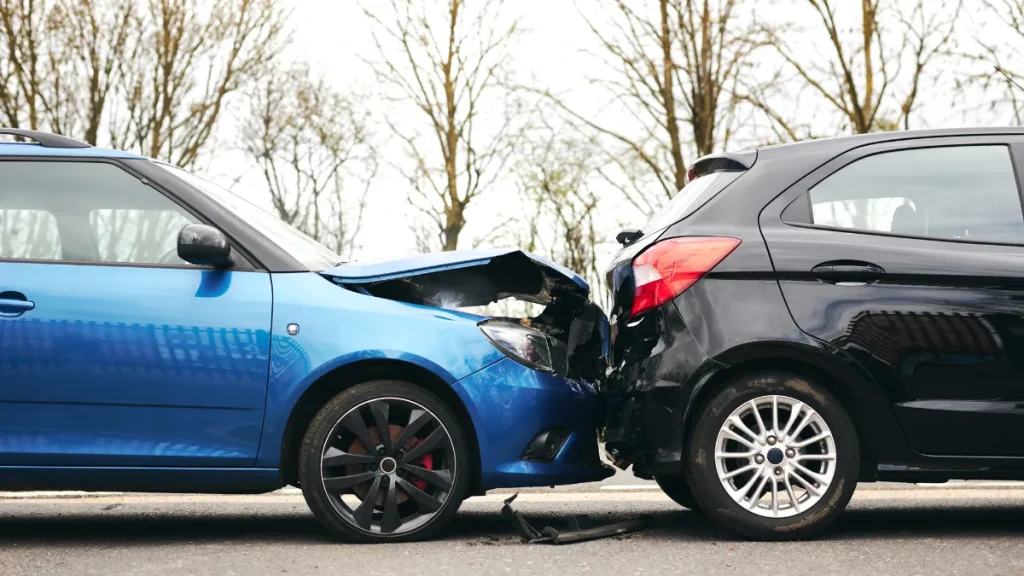
Who Is Typically at Fault in a Rear-End Collision?
Florida law generally presumes that the rear driver is at fault in a rear-end collision. This is because drivers are required to:
- Maintain a safe distance
- Stay alert
- Travel at a speed appropriate for conditions
- Maintain control of their vehicle
However, there are exceptions. The lead driver may share fault under specific circumstances, such as:
- Sudden, unnecessary braking
- Backing into the vehicle behind
- Driving with non-functioning brake lights
- Stopping abruptly without cause
Because liability can be disputed, gathering evidence is essential to building a strong claim.
Common Injuries in Tampa Rear-End Collisions
Even at low speeds, rear-end collisions can cause significant injuries. Some injuries appear immediately, while others may take days to surface. Common injuries include:
Whiplash
One of the most frequent injuries, caused by the rapid back-and-forth motion of the neck.
Herniated Discs and Spinal Damage
The force of a collision can compress the spine, leading to severe pain and mobility issues.
Concussions and Traumatic Brain Injuries (TBIs)
Even without direct head impact, the brain can move violently inside the skull.
Shoulder and Back Injuries
Seatbelts can cause shoulder strain, while the impact can trigger long-term back problems.
Soft Tissue Injuries
Torn ligaments, muscle strains, and sprains can be significantly debilitating.
Facial and Dental Injuries
Airbags can cause burns or bruises, while sudden impact may injure the jaw or teeth.
You should seek medical attention immediately—even if you feel fine—because insurance companies often question injury severity if you delay treatment.
What to Do After a Rear-End Collision in Tampa
The steps you take after the crash can significantly impact your ability to recover compensation.
1. Call 911
A police report provides essential documentation and helps determine fault.
2. Seek Medical Care
Florida’s Personal Injury Protection (PIP) law requires you to seek treatment within 14 days. Missing this window can jeopardize your claim.
3. Document the Scene
If safe and able, take photos of:
- Vehicle damage
- License plates
- Road conditions
- Your injuries
4. Exchange Information
Obtain the other driver’s license, insurance details, and contact information.
5. Avoid Admitting Fault
Even casual statements can be used against you later.
6. Report the Accident to Your Insurance Company
Stick to basic facts and do not agree to recorded statements without legal advice.
7. Contact a Tampa Rear-End Collision Attorney
An attorney can immediately begin protecting your rights and securing evidence.
How a Tampa Attorney Proves the Rear Driver Was at Fault
Although rear drivers are usually presumed responsible, proving negligence is still essential—especially when insurance companies dispute injuries or liability.
At Slater | Grant, we gather evidence such as:
Black Box Data
Newer vehicles record:
- Speed before impact
- Braking behavior
- Sudden acceleration
Surveillance and Traffic Camera Footage
Many Tampa intersections and businesses have cameras that may have recorded the crash.
Vehicle Damage Analysis
The pattern of damage can indicate the force and nature of the collision.
Witness Testimony
Independent witnesses often provide unbiased accounts of the crash.
Cell Phone Records
May reveal texting, calls, or other distraction at the time of the crash.
Accident Reconstruction Experts
Specialists help recreate the accident to support your case.
Compensation You May Be Entitled to After a Rear-End Collision
A severe rear-end collision can affect every area of your life. Depending on the severity of your injuries, you may be entitled to significant compensation, including:
Economic Damages
- Emergency room treatment
- Surgeries and ongoing medical care
- Physical therapy and rehabilitation
- Lost wages
- Reduced earning potential
- Medication and medical equipment
- Vehicle repair or replacement
Non-Economic Damages
- Pain and suffering
- Emotional distress
- Loss of enjoyment of life
- Permanent disability
- Scarring or disfigurement
Punitive Damages
In cases involving extreme negligence—such as drunk driving—punitive damages may apply.
How Slater | Grant Helps Build a Strong Case
Rear-end collision claims are often contested by insurance companies, even when liability seems clear. At Slater | Grant, we provide comprehensive legal representation, including:
- Detailed investigation of the crash
- Collection of medical records and expert evaluations
- Aggressive negotiation with insurance companies
- Trial preparation if necessary
- Continuous communication and support
Our goal is to maximize your compensation so you can focus on healing.

Why Choose Slater | Grant for Your Rear-End Collision Claim
You deserve a law firm that understands the challenges you’re facing and has the resources to fight for your rights. Werearers dedicated to:
- Delivering personalized attention
- Conducting thorough investigations
- Challenging unfair insurance practices
- Seeking justice and accountability
We work on a contingency basis—meaning you owe nothing unless we win your case.
Take Action Today
If you or a loved one was injured in a rear-end collision in Tampa, don’t delay in seeking help. Insurance companies begin building their case immediately—so should you.
Start by completing the free case evaluation form or call us now at 813-995-6444.
Slater | Grant is ready to fight for the compensation and justice you deserve.
Sources
1. Florida Statutes – Motor Vehicle Laws
Provides legal standards for driver responsibility, insurance requirements, and traffic regulations.
https://www.leg.state.fl.us
2. National Highway Traffic Safety Administration (NHTSA)
Offers detailed data on rear-end collisions, distracted driving, and road safety research.
https://www.nhtsa.gov
3. Florida Department of Highway Safety and Motor Vehicles (FLHSMV)
Contains accident reporting rules, safety guidelines, and crash statistics for Florida drivers.
https://www.flhsmv.gov
4. Centers for Disease Control and Prevention – Transportation Safety
Provides research and insights on motor vehicle injury prevention.
https://www.cdc.gov/transportationsafety/